
01 — Thermal Distribution
Helps reduce localized thermal concentration within the fuel system.
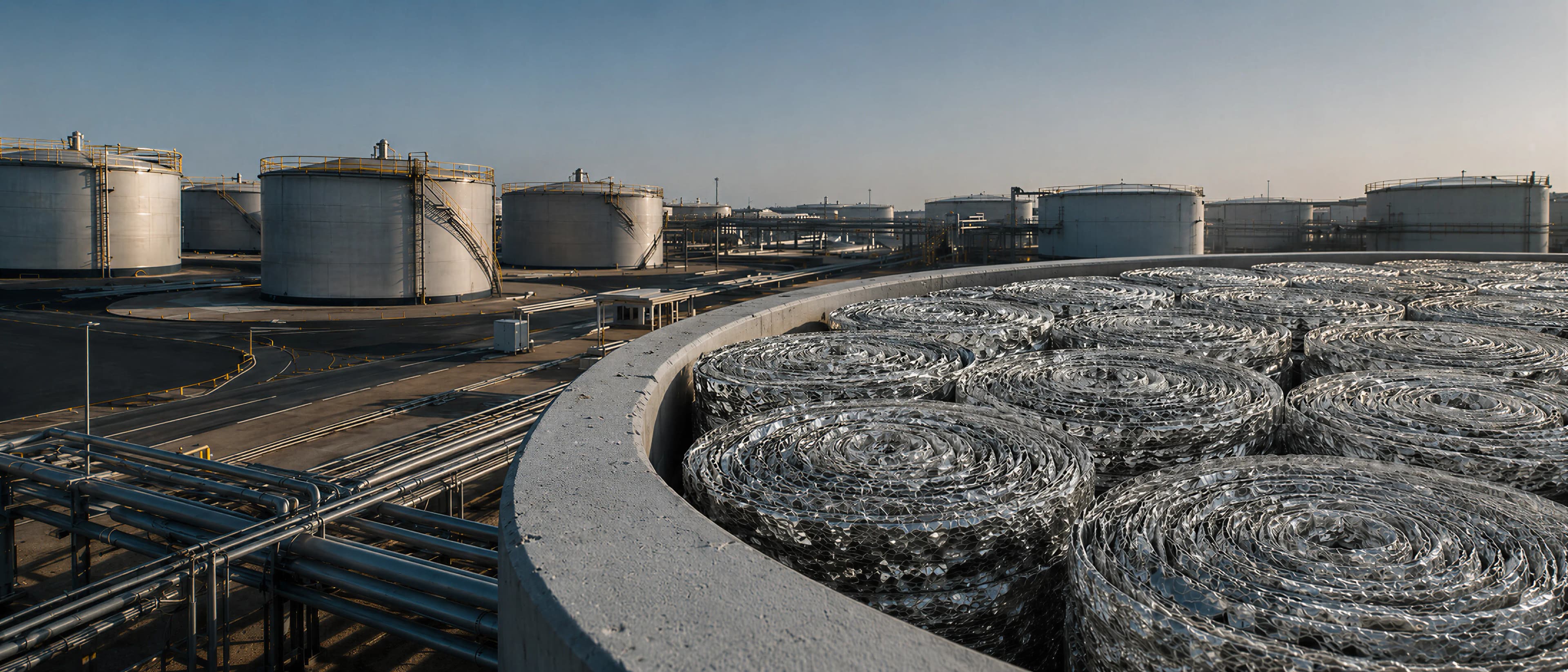
Patented Fuel-System Protection Technology
KAET® is a patented internal fuel-system protection technology engineered to eliminate BLEVE explosions risk in validated applications, reduce fuel evaporation, stabilize electrostatic charge, mitigate corrosion and support longer asset life.
Overview
KAET® is a patented fuel-system protection technology designed for integration within compatible fuel-containing systems.
Its engineered metallic architecture operates inside the fuel environment to reduce the conditions associated with thermal concentration, vapor instability, electrostatic buildup and internal degradation.
Rather than reacting after hazardous conditions form, KAET® is designed to stabilize the internal environment before escalation occurs.
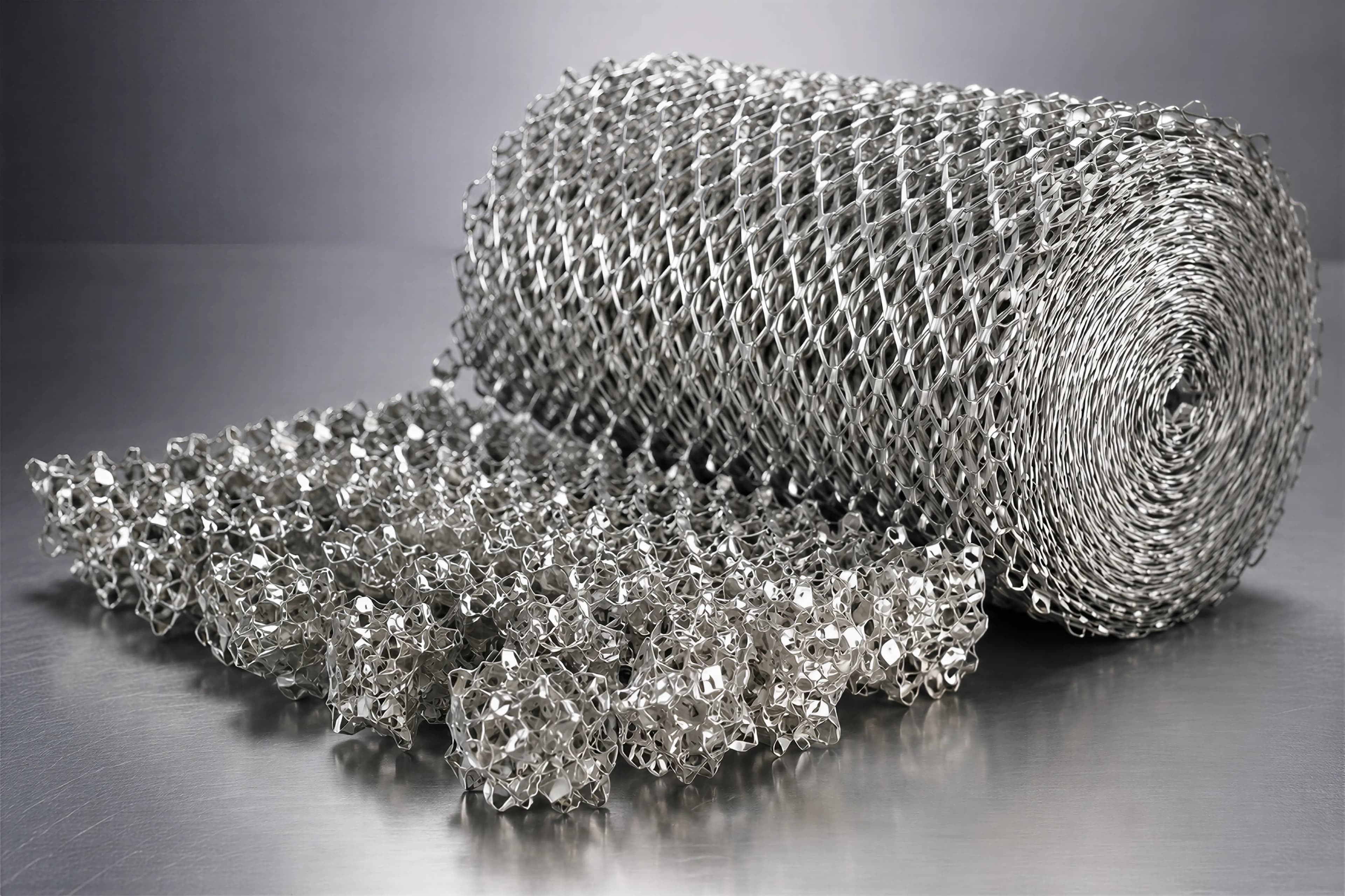

Physical Technology
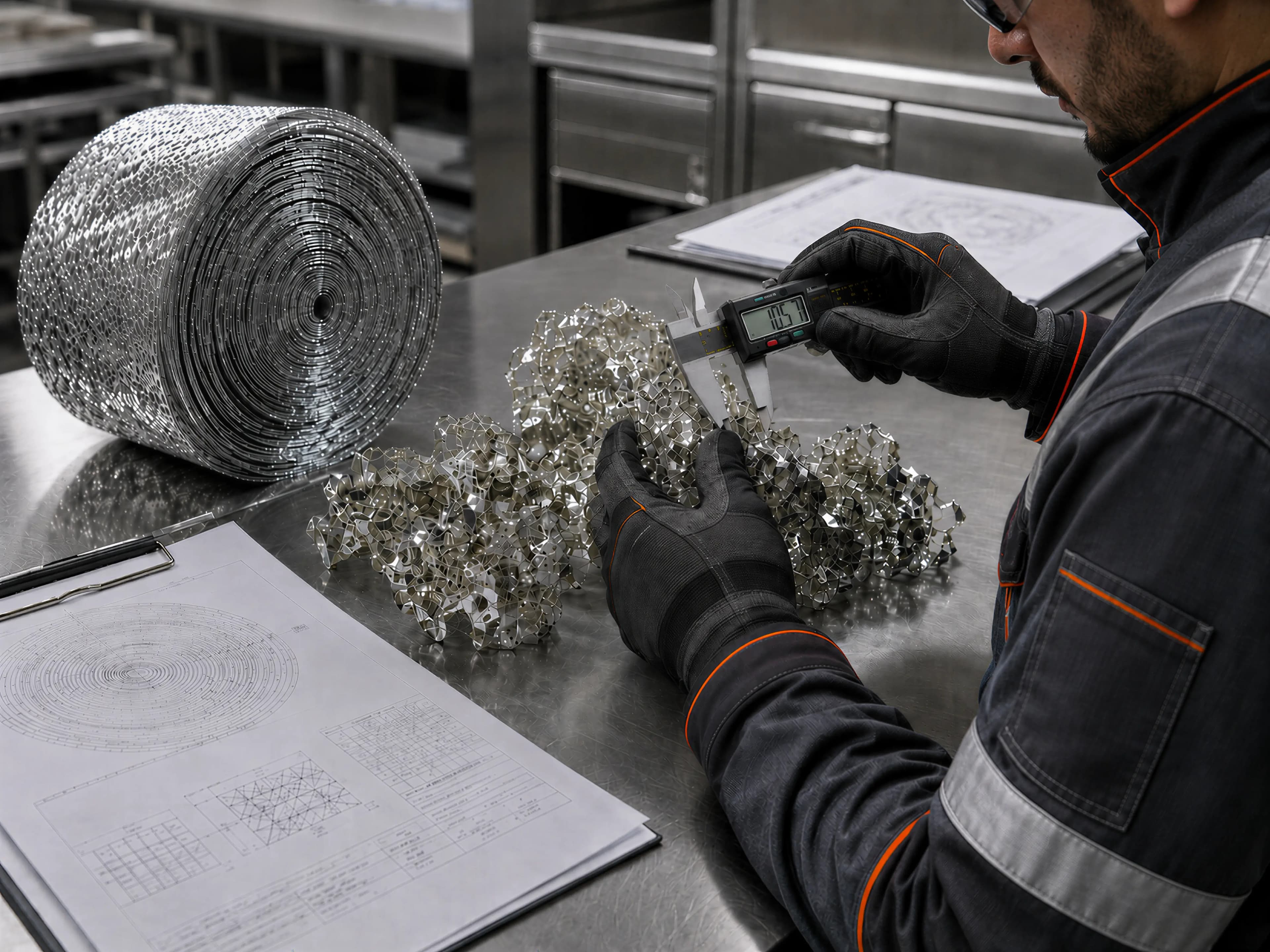
KAET® is built around a proprietary aluminium alloy structure engineered to operate inside the fuel system itself. Its geometry, material behavior and internal placement are designed to support fuel-system stabilization under demanding conditions.
The technology is intended to work from within the system environment rather than as an external add-on.
How It Works
KAET® works through a set of internal engineering mechanisms designed to moderate unstable fuel-system conditions before they escalate.
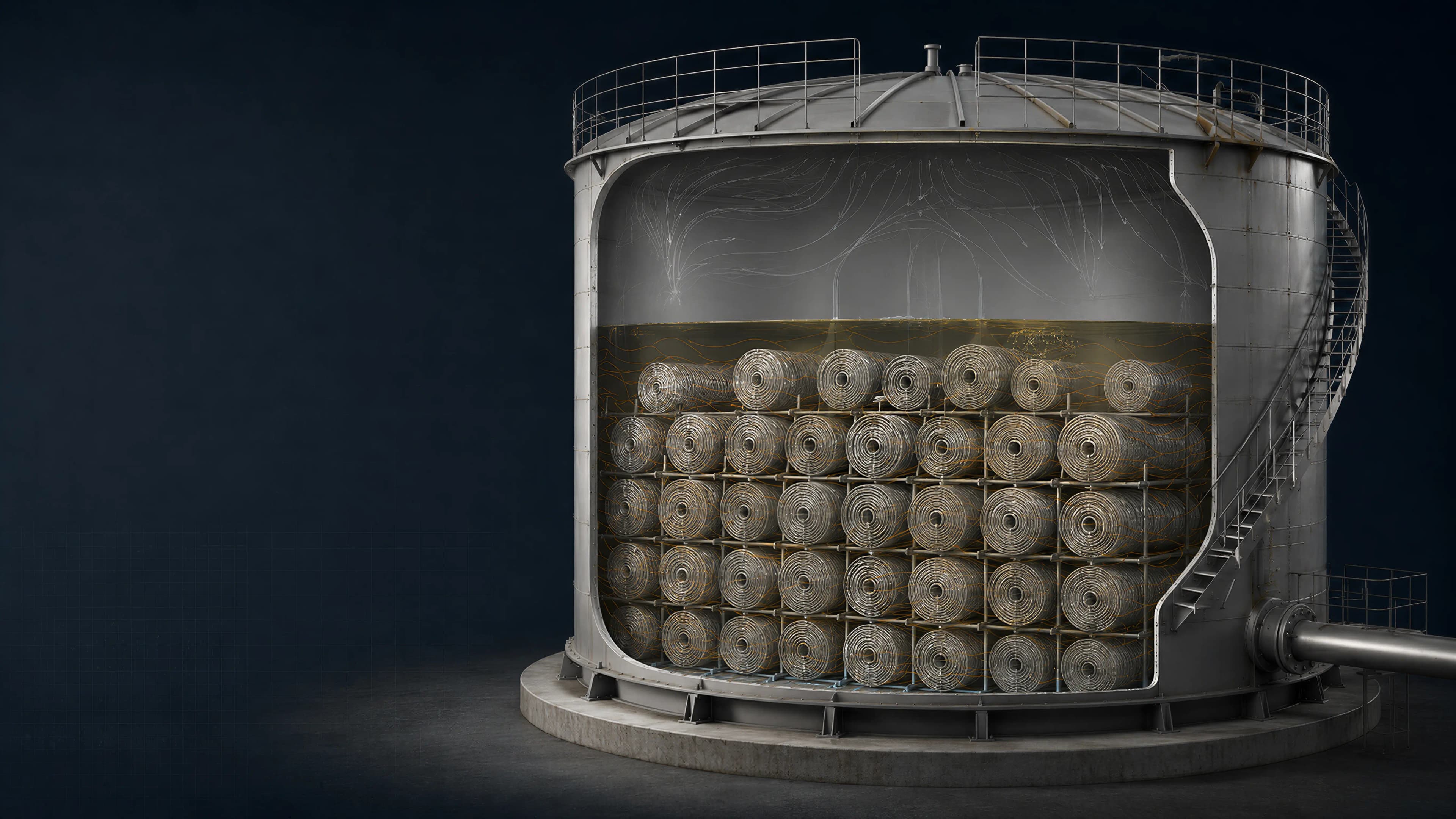
01 — Thermal Distribution
Helps reduce localized thermal concentration within the fuel system.
02 — Electrostatic Stabilization
Supports the dissipation and stabilization of electrostatic charge.
03 — Internal Condition Control
Helps maintain more balanced internal operating behavior under dynamic conditions.
04 — Vapor Formation Mitigation
Reduces the conditions associated with vapor buildup and escalation risk.
Engineering Mechanisms
Heat
Reduces localized heat concentration and supports more controlled thermal behavior.
Pressure & Vapor
Helps moderate the internal conditions associated with vapor instability and pressure escalation.
Electrostatic Behavior
Supports stabilization of electrostatic conditions within the fuel environment.
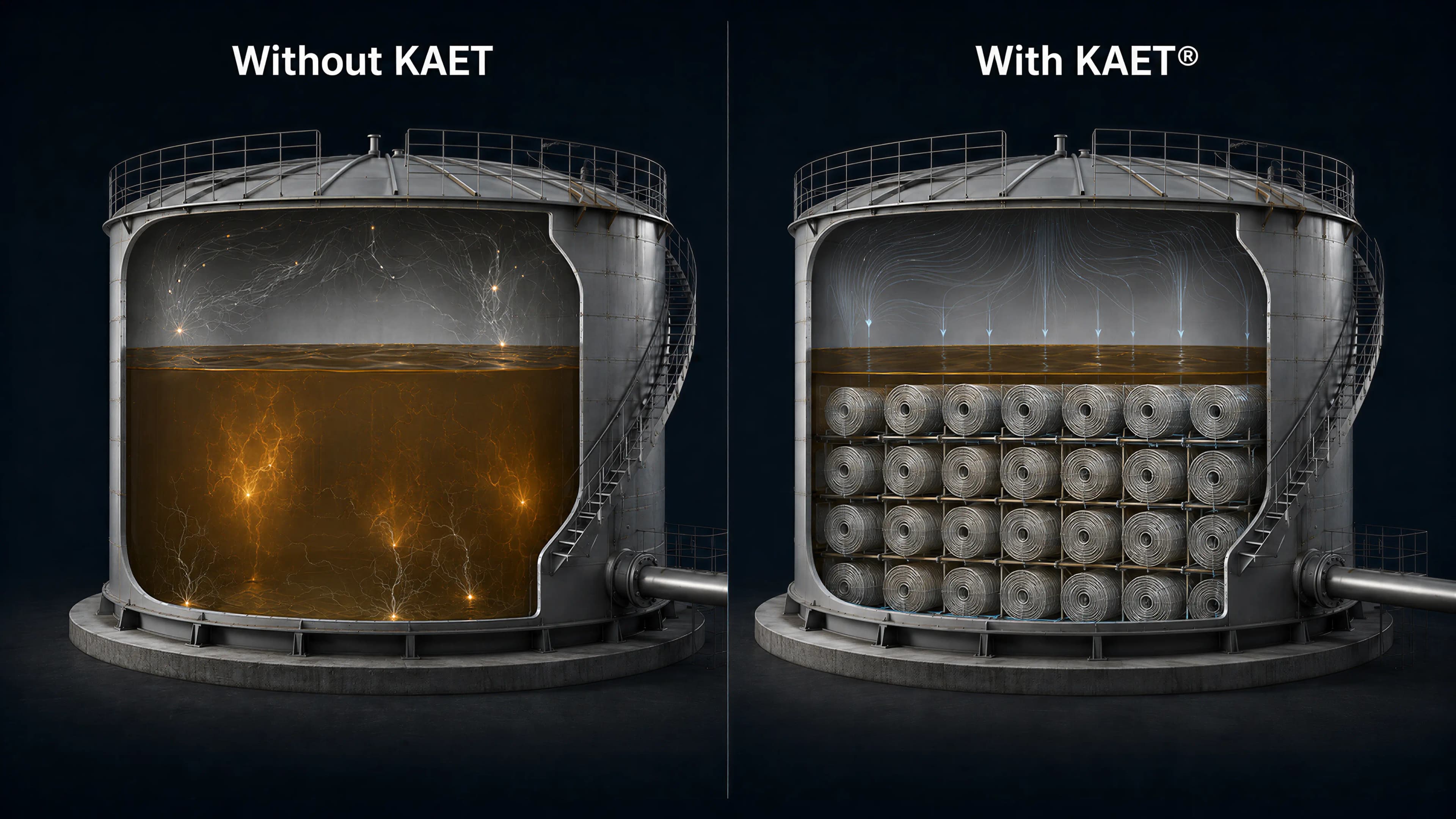
Core Benefits
BLEVE Explosion Risk Elimination
Engineered to eliminate BLEVE explosion risk in validated applications.
Fuel Evaporation Reduction
Fuel evaporation reduction of 50–75% under defined operating conditions.
Extended Tank Lifespan
Supports longer tank life by reducing internal stress and degradation exposure.
Corrosion Mitigation
Designed to mitigate corrosion-related deterioration inside compatible systems.
Electrostatic Stability
Supports safer operating conditions through electrostatic charge stabilization.
Validation & Testing
KAET® should be presented through documented engineering analysis, material evaluation and system-level testing under controlled and representative conditions.
Performance claims, deployment suitability and operating outcomes should be supported by validation data, application context and documented methodology.
Engineering Analysis
Pressure / thermal / system modeling
Material Evaluation
Aluminum structure / durability / behavior
Controlled Testing
Bench or pilot testing under defined conditions
Field Validation
Real-world observation and pilot deployment data
Documentation
Technical overview, testing summaries, data sheets, deployment framework
Engineering Philosophy
Traditional fuel safety measures often act after hazardous conditions have already formed. KAET® is designed to work earlier — influencing the internal conditions that contribute to instability before escalation occurs.

Traditional Approach
“Responds after unstable conditions are already developing.”
KAET® Approach
“Designed to moderate the underlying conditions that contribute to failure before escalation occurs.”
Operational Impact
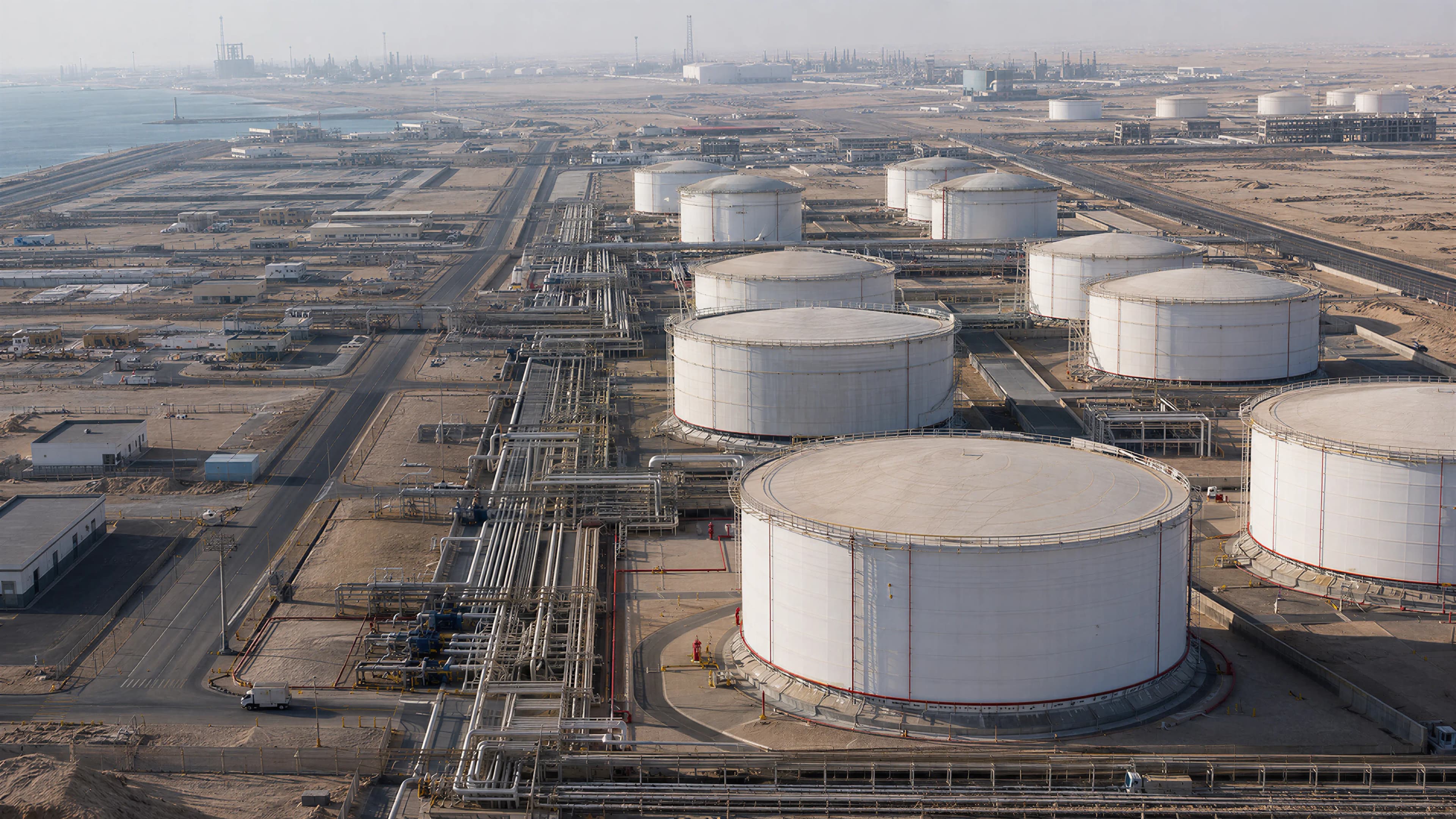
KAET® supports measurable operational value by reducing product loss, stabilizing internal fuel-system behavior and supporting longer-term asset integrity.
Patent & IP
KAET® is protected through patent-backed intellectual property that supports its exclusivity, differentiation and long-term strategic value.
Technical and patent information available upon qualified request.

Next Step
Engage with KAET Technologies to review technical suitability, validation pathways, pilot deployment and implementation strategy for safety-critical fuel systems.